Flight Training in Lincoln, CA
Professional pilot instruction, well-maintained aircraft, and accelerated training options to help you earn your wings faster.
Located at Lincoln Regional Airport (KLHM), Lincoln Skyways provides comprehensive flight training programs and aircraft rentals for student pilots, experienced aviators, and rating upgrades. Whether you’re earning your Private Pilot License, pursuing an instrument or commercial rating, or seeking Accelerated Flight and Instrument Training (AFIT), our team delivers personalized instruction and dependable aircraft to help you achieve your goals. This page outlines Lincoln Skyways flight training programs in Lincoln, California, including Private Pilot, Instrument, Commercial, and accelerated training options.
Flight Training in
Lincoln, CA
Professional pilot instruction, well-maintained aircraft, and accelerated training options to help you earn your wings faster.
Located at Lincoln Regional Airport (KLHM), Lincoln Skyways provides comprehensive flight training programs and aircraft rentals for student pilots, experienced aviators, and rating upgrades. Whether you’re earning your Private Pilot License, pursuing an instrument or commercial rating, or seeking Accelerated Flight and Instrument Training (AFIT), our team delivers personalized instruction and dependable aircraft to help you achieve your goals.
Why Choose Lincoln Skyways for Flight Training
Lincoln Skyways provides a structured, student-focused approach to pilot training at Lincoln Regional Airport (KLHM). As one of the leading flight training schools in California, we combine experienced instructors, reliable aircraft, and flexible scheduling to help students meet their aviation goals efficiently and safely.
All training is conducted by FAA-certified flight instructors using aircraft maintained to strict safety and performance standards. Lessons are customized to your progress, ensuring every flight builds skill and confidence.
Whether you’re a first-time student or a licensed pilot upgrading to an instrument or commercial rating, Lincoln Skyways delivers the resources and individual attention needed to succeed.
Based at Lincoln Regional Airport, offering convenient access for students in Lincoln, Rocklin, Roseville, and the Sacramento area
FAA-certified instructors with extensive training and flight experience
Modern, well-maintained aircraft available for both instruction and rental
Flexible schedules, including weekend and accelerated training options
Proven training programs designed for both recreational and career-track pilots
Training pilots since 2013, Lincoln Skyways is the largest and most experienced flight school on the Lincoln Regional airfield.
Based at Lincoln Regional Airport, offering convenient access for students in Lincoln, Rocklin, Roseville, and the Sacramento area
FAA-certified instructors with extensive training and flight experience
Modern, well-maintained aircraft available for both instruction and rental
Flexible schedules, including weekend and accelerated training options
Proven training programs designed for both recreational and career-track pilots
Training pilots since 2013, Lincoln Skyways is the largest and most experienced flight school on the Lincoln Regional airfield.
Flight School Programs
Lincoln Skyways provides a complete range of flight training programs for students pursuing their first license and for pilots seeking advanced ratings. Training is conducted at Lincoln Regional Airport (KLHM) with personalized instruction and aircraft maintained to FAA standards.
The information below provides estimated training timelines and costs; actual results vary based on individual circumstances. Flight hours are cumulative across certificates and ratings, and students who train more frequently typically finish sooner and at a lower overall cost. Less consistent schedules may require additional time and expense. Estimates reflect flight time above FAA minimums to account for proficiency and confidence, and instructor rates may vary by instructor.
Each program is structured to match your schedule, pace, and aviation goals.
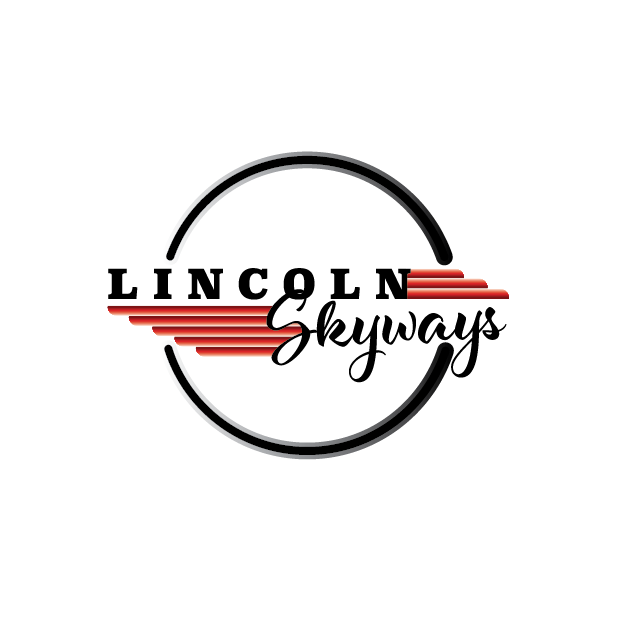
Comprehensive Flight Training for Every Level of Experience
PRIVATE PILOT CERTIFICATE
The private pilot certificate is the most common starting point for pilots training at Lincoln Skyways. It allows pilots to fly a wide range of aircraft, carry passengers, and travel for personal or business purposes. While private pilots cannot be paid for flying, they may share certain operating expenses with passengers. This certificate serves as the foundation for advanced ratings and professional pilot training.
Requirements/Limitations
Minimum age of 17, an FAA medical certificate, completion of flight and ground training, and passing written and practical exams.
Hours to Complete
Most students complete this in about 60–75 flight hours, though the FAA minimum is 40.
Ground School: 10 hours
Flight with Instructor: 20+ hours
Solo Flight: 10+ hours
Typical Cost
Around $9,000–$15,000 for full training, including instruction, rental, materials, and testing fees.
INSTRUMENT RATING
The instrument rating allows pilots to fly using cockpit instruments rather than relying solely on outside visual references. This rating enables flight in clouds, reduced visibility, and under air traffic control guidance. Many Lincoln Skyways pilots pursue an instrument rating to improve safety, confidence, and scheduling flexibility for cross-country flying.
Requirements/Limitations
To begin training for an FAA Instrument Rating, a pilot must hold at least a Private Pilot Certificate (or be training for one concurrently) and be able to read, speak, write, and understand English. There is no separate age requirement beyond that of the underlying pilot certificate. While 50 hours of cross-country flight time as pilot in command is required to be eligible for the practical test, those hours do not need to be completed before beginning instrument training and may be accumulated concurrently.
Typical Time
About 40–50 hours of instrument flight time in actual or simulated conditions.
Ground School: 10 hours
Flight with Instructor: 40 hours
Typical Cost
Usually $8,000–$12,000, including ground training, flight instruction, simulated flying, and test fees.
COMMERCIAL PILOT CERTIFICATE
The commercial pilot certificate allows pilots to be compensated for flying. This certificate is required for most professional flying jobs, including flight instruction and many aviation services. Commercial training focuses on advanced aircraft control, precision, and decision-making standards.
Requirements/Limitations
To be eligible for a Commercial Pilot Certificate, an applicant must be at least 18 years of age, be able to read, speak, write, and understand English, and hold at least a Private Pilot Certificate. The applicant must also hold a valid medical certificate (Third-Class medical to complete the training and Second-Class medical to exercise commercial privileges). Before taking the practical test, the pilot must meet the applicable aeronautical experience requirements for the desired category and class. Most commonly 250 hours total flight time under Part 61 and must have completed the required commercial pilot training, passed the Commercial Pilot Knowledge Test, and received the appropriate logbook endorsements from an authorized instructor.
Typical Time
Total flight hours requirement is 250 hours (FAA minimum), including hours from previous licenses and ratings.
Ground School: 15 hours
Flight with Instructor: 25 hours
Typical Cost
After private and instrument training, adding commercial training typically totals $25,000–$50,000+ in cumulative training costs toward this certificate.

CERTIFIED FLIGHT INSTRUCTOR
A Certified Flight Instructor (CFI) is authorized to train student pilots and endorse them for solo flight, ratings, and practical tests. CFIs are essential to aviation safety and pilot development, and many professional pilots begin their careers instructing at flight schools like Lincoln Skyways.
Requirements/Limitations
To be eligible for a Certified Flight Instructor (CFI) certificate, a pilot must hold at least a Commercial Pilot Certificate in the category and class they wish to instruct, be able to read, speak, write, and understand English, and hold a valid medical certificate appropriate to the privileges they intend to exercise.
Hours to Complete
Usually around 30-50 hours of instructor-specific flight and preparation time beyond the commercial certificate.
Ground School: 30 hours
Flight with Instructor: 15 hours
Typical Cost
Approximately $5,000–$10,000 for CFI training, groundwork, and checkride fees.
CERTIFIED FLIGHT INSTRUCTOR - INSTRUMENT
A CFI-I is a flight instructor qualified to teach instrument flying. This includes training pilots for the instrument rating and providing instrument proficiency training to rated pilots. The CFI-I certificate represents advanced instructional authority and is a common next step for instructors building experience.
Requirements/Limitations
To be eligible for a Certified Flight Instructor – Instrument (CFI-I) certificate, a pilot must hold a current Certified Flight Instructor (CFI) certificate, possess a valid instrument rating, be able to read, speak, write, and understand English, and hold a valid medical certificate appropriate to the privileges they intend to exercise.
Typical Time
Typically 20-40 hours of instrument instructional flight and preparation beyond the CFI.
Ground School: 20 hours
Flight with Instructor: 10 hours
Typical Cost
Often $3,000–$6,000 on top of the base CFI training, depending on how much aircraft time is required.
ACCELERATED TRAINING OPTIONS
For students looking to complete training more efficiently, Lincoln Skyways offers accelerated options through the AFIT (Accelerated Flight and Instrument Training) program.
AFIT combines intensive instruction with increased flight frequency to reduce time between lessons, improve skill retention, and help you complete your training faster.

SPORT PILOT CERTIFICATE
The sport pilot certificate is an entry-level option for pilots who want to fly simple aircraft for personal enjoyment. It is designed for those who plan to fly locally, in good weather, and during daylight hours. Sport pilots fly light-sport aircraft and enjoy a streamlined training path with fewer regulatory requirements.
Requirements/Limitations
Minimum age of 17, no FAA medical certificate required if a valid U.S. driver’s license is held, daytime and fair-weather flying only, and limits on aircraft type and airspace unless additional training is completed.
Typical Time
About 25–35 hours of flight training.
Ground School: 5 hours
Flight with Instructor: 20 hours
Solo Flight: 5 hours
Typical Cost
Approximately $6,000–$9,000 total, including aircraft rental, instructor time, ground school, and tests.
Lincoln Skyways
Flight School
RECREATIONAL PILOT CERTIFICATE
The recreational pilot certificate allows pilots to fly small aircraft for personal use, typically within a limited distance of their home airport. It offers more privileges than a sport pilot certificate, but fewer than a private pilot certificate. This option appeals to pilots who want greater capability while keeping training time and scope more limited.
Requirements/Limitations
Minimum age of 17, an FAA medical certificate, restrictions on distance and airspace unless endorsed, daytime and visual-weather operations, and no flying for compensation.
Typical Time
Around 30–40 hours of flight training.
Ground School: 5 hours
Flight with Instructor: 27 hours
Solo Flight: 3 hours
Typical Cost
Approximately $8,000–$12,000 total, including aircraft rental, instructor time, ground school, and tests.

RECURRENT TRAINING
Recurrent training is ongoing flight training designed to help licensed pilots maintain proficiency, improve safety, and stay confident in their flying skills. It can be customized to focus on specific aircraft, procedures, or areas a pilot wants to refresh. Many pilots complete recurrent training annually or seasonally, even when not required, as part of good safety practice.
While recurrent training is not always mandated by regulation, it may be required by employers, insurance providers, or aircraft owners, and is strongly encouraged by the FAA as a best practice.
FLIGHT REVIEW
A flight review is a required evaluation of a pilot’s knowledge and flying skills that must be completed at least once every 24 calendar months to act as pilot in command. It includes both ground instruction and flight time with a qualified flight instructor, and is tailored to the pilot’s experience, aircraft, and type of flying.
The flight review is not a test, but an opportunity to refresh skills, review regulations, and address any areas that need improvement. Successful completion is required to maintain legal pilot-in-command privileges.
INSTRUMENT PROFICIENCY CHECK (IPC)
An instrument proficiency check is required for instrument-rated pilots who are not current to fly under instrument flight rules. It is conducted with a qualified instructor and focuses on instrument procedures, approaches, and cockpit decision-making.
An IPC allows pilots to regain instrument currency in a structured and supportive training environment, ensuring they can safely and legally operate in instrument conditions.
All programs are available with flexible scheduling, including part-time, full-time, and weekend options.
Students may also rent aircraft for solo practice or hour-building upon instructor approval.

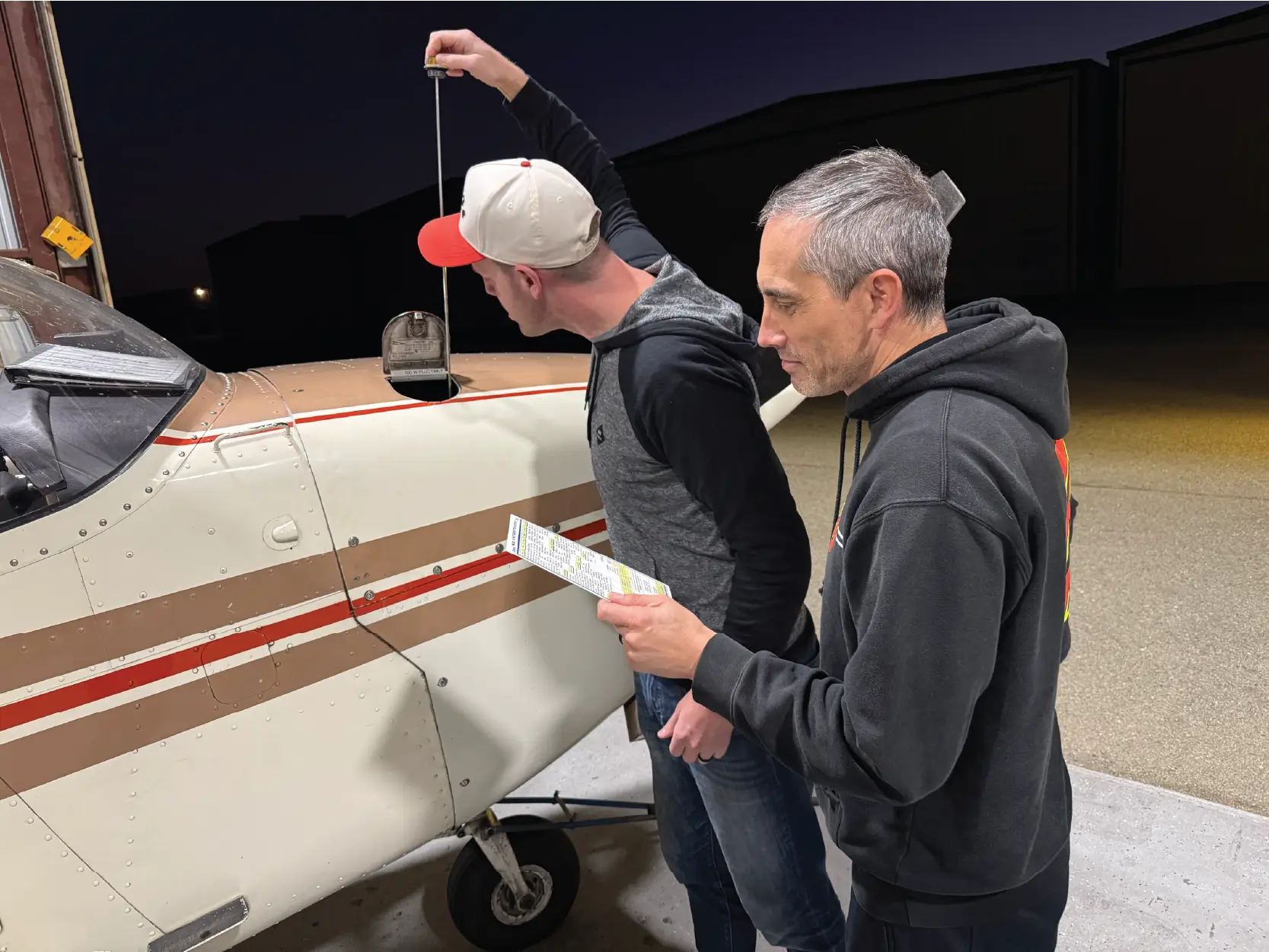
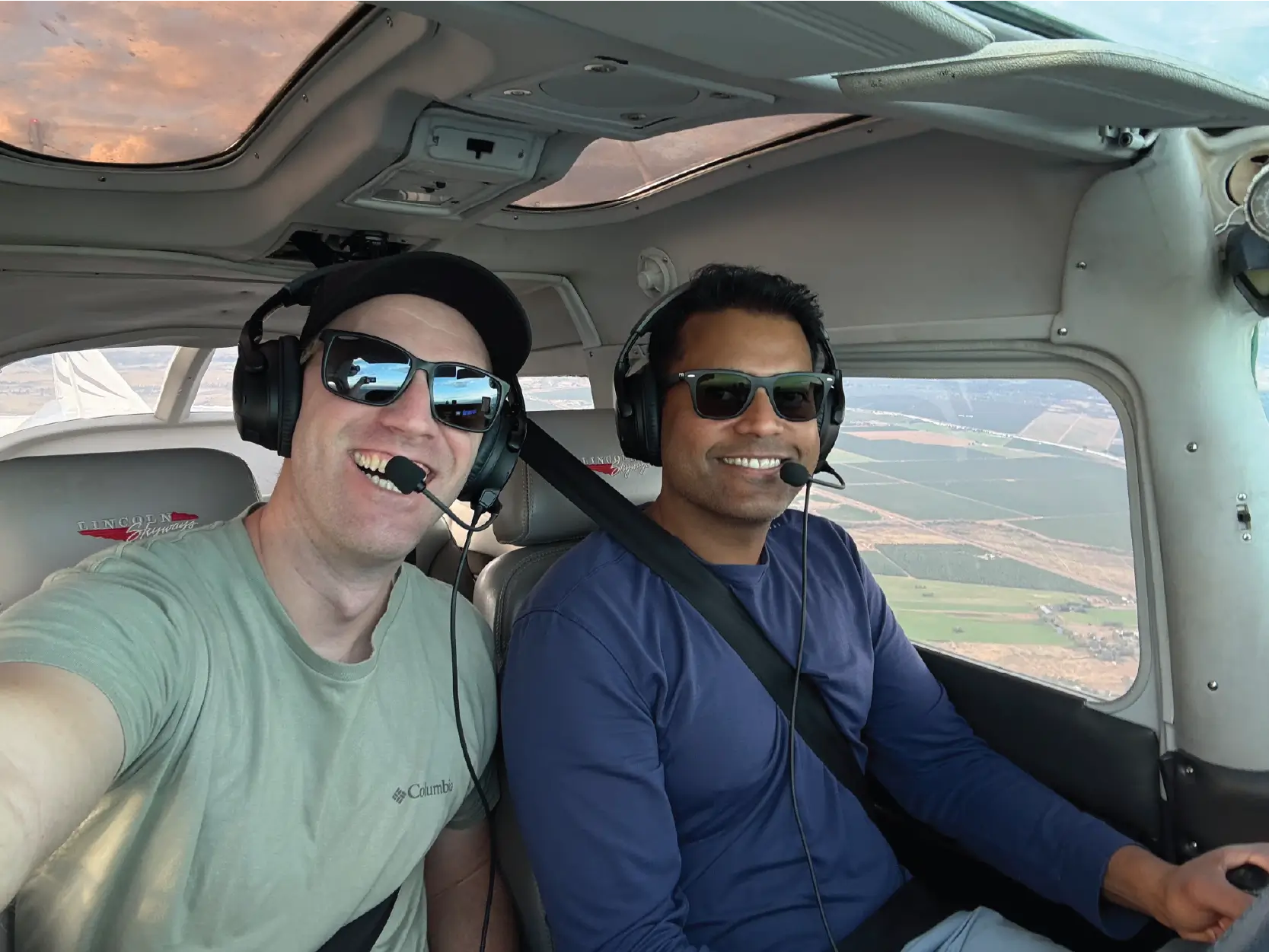
The AFIT program at Lincoln Skyways offers an intensive path for pilots who want to complete their flight or instrument training in less time without compromising safety or quality. Designed for both new students and rated pilots upgrading their certifications, this program focuses on consistent instruction, daily flight schedules, and one-on-one guidance from experienced instructors.
Train Faster. Retain More. Advance Sooner.
AFIT condenses traditional training timelines by minimizing breaks between lessons, improving retention, and building confidence in real-world flying conditions. Each AFIT course is customized to match your current experience, flight goals, and availability. Training can include:
Private Pilot License completion in a focused timeframe
Instrument Rating acceleration for current pilots
Combined flight and instrument training for efficient certification
Optional add-ons for Commercial or CFI advancement
The structured schedule and daily instructor contact allow you to stay immersed in your training from start to finish.
Who Benefits from AFIT
Students who prefer a dedicated, short-term training schedule
Pilots upgrading to instrument or commercial ratings
Out-of-area students seeking a focused, single-location program
Working professionals who want to complete training during limited leave time
The AFIT program is structured to help you meet your goals efficiently, whether you’re pursuing your first license or upgrading for professional advancement.
Contact Lincoln Skyways to discuss your objectives and develop a training plan that fits your schedule.
Start Pilot Training with a Discovery Flight in Lincoln, CA
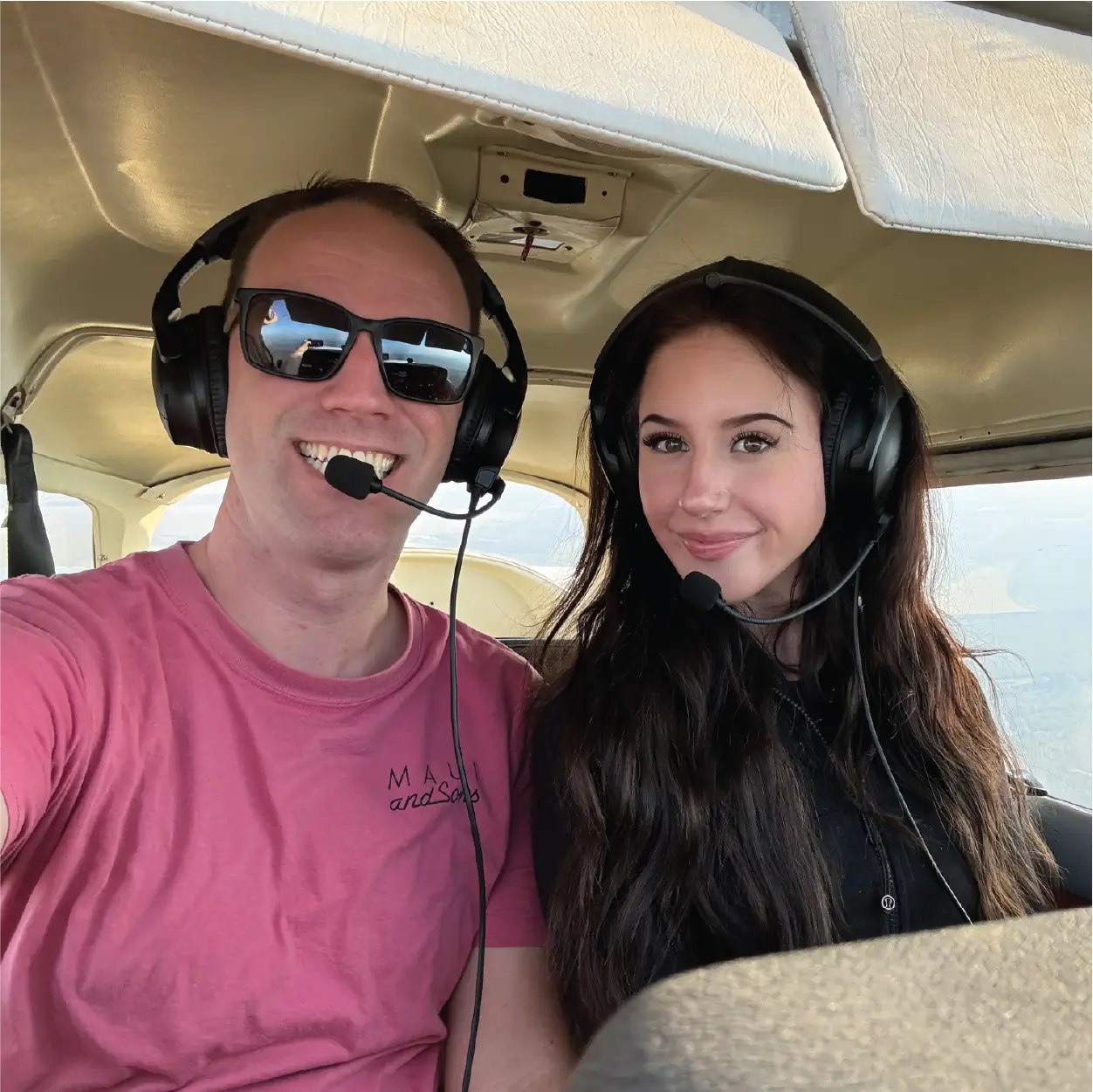
A discovery flight is the best way to experience flying for the first time. You’ll take off from Lincoln Regional Airport (KLHM) with a certified flight instructor who will guide you through basic flight maneuvers and explain what it takes to become a licensed pilot.
During the flight, you’ll sit in the pilot’s seat, handle the controls, and get a true sense of what flight training is like at Lincoln Skyways.
What’s Included in a Discovery Flight
Pre-flight safety briefing and aircraft orientation (approx. 30 mins)
60 minutes of flight time with an FAA-certified instructor
Hands-on flying experience under direct supervision
Opportunity to ask questions about training programs and certification paths
Flight time can be logged toward your Private Pilot License if you decide to continue training
Who it's For
Individuals considering flight training but not yet enrolled
Gift recipients interested in aviation
Students wanting to preview the Private Pilot Program or AFIT accelerated track
Anyone curious about what it feels like to fly an aircraft
How to Schedule a Discovery Flight
For only $295, discovery flights are available year-round, weather permitting. You can book directly through our booking form or by calling our office.
Scheduling is flexible, and our team will confirm availability based on your preferred date and time.
A discovery flight is the most practical first step toward earning your pilot’s license. Whether you continue with full training or simply want to experience flight from the cockpit, Lincoln Skyways ensures a professional and memorable introduction to aviation.
Frequently Asked Questions About Flight Training
What is the best way to start flight training?
To begin flight training, schedule a discovery flight or introductory lesson with our flight school. This allows you to experience flying first-hand, meet a certified flight instructor (CFI), and understand what training entails. After your discovery flight, enroll in our pilot training program that includes both ground school and practical flight lessons.
How long does flight training take to get a pilot license?
Flight training duration varies depending on your pace and schedule. For a Private Pilot License (PPL), most students complete training in about 3 to 6 months with regular lessons, but it can take longer if training part-time. The FAA requires a minimum of 40 flight hours, although the average student often needs more to be proficient.
What are the age and experience requirements to start flight training?
You do not need prior flying experience to start flight training. To can begin flight instruction as early as 14 years of age; however, you must be at least 16 years old for solo flights and 17 years old to earn your PPL. You will also need to hold a third-class medical certificate and be proficient in English to communicate during training.
How much does flight training cost?
The cost of flight training varies widely based on aircraft type, instructor rates, and how quickly you complete your training. Basic private pilot training can range from several thousand dollars upward, including aircraft rental, instructor fees, ground school, and licensing exams.
What will I learn during flight training?
Flight training covers both ground school and hands-on flying. Ground school teaches fundamentals like aerodynamics, weather, navigation, and FAA regulations. In the air, you will practice flight maneuvers, takeoffs and landings, emergency procedures, and cross-country flights under the supervision of a certified instructor.
Do you offer aircraft rentals for time building?
Yes. Lincoln Skyways offers aircraft rentals for licensed pilots seeking to stay current, build flight hours, or fly recreationally.
All aircraft are maintained to FAA safety standards and are available with or without an instructor. Rental scheduling is flexible, and multi-hour bookings are available. Learn more about our rental program.
Get Started!
Start Your Flight Training at Lincoln Skyways
Whether you’re beginning your first lesson or upgrading your rating, Lincoln Skyways provides the training, aircraft, and support to help you reach your goals.
Our team offers private, instrument, commercial, and accelerated flight programs at Lincoln Regional Airport (KLHM) .All of our programs are designed for safety, flexibility, and efficiency.
Schedule a discovery flight, request training details, or speak with an instructor about the next step in your aviation journey.
Every pilot’s story begins with a single flight. Take yours at Lincoln Skyways.
1402 FLIGHTLINE DRIVE #A
LINCOLN, CA, 95648 USA